The Art of the Assembly: A Remix on the Edge of Luxury
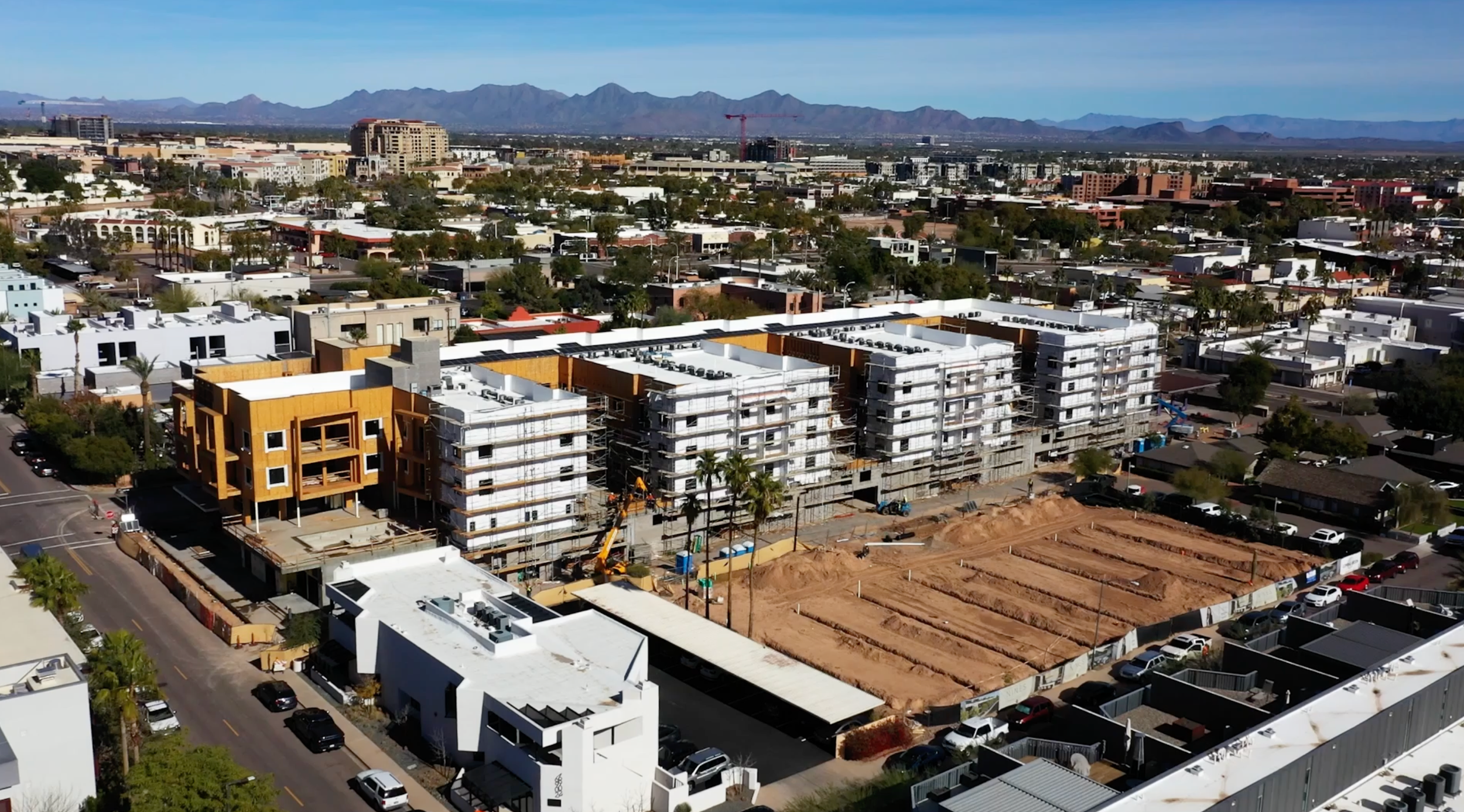
I spent part of my weekend reading a phenomenal piece from my close friend Nicole Kobrinsky over at House Gallery in Scottsdale, Arizona. In her Substack, Edge of Luxury, Nicole unpacks a universal real estate trap that she calls the "discount mentality". It’s a trend where developers buy cheaper, compromised land with the narrow-minded assumption that proximity to a luxury pocket will do all the heavy lifting for them.
As Nicole so sharply puts it:
"Developers simply looking for a discount on land are going to end up discounting the sales price... If you’re discount shopping, you’re also discounting what you’re willing to accept in terms of proceeds. You’re going to spend less to make less. Failed edges are missing a critical ingredient."
Her words resonated deeply with me because they expose a core truth that many in our industry overlook: People do not just buy the four walls of a residential dwelling; they buy the neighborhood. They buy the emotional pull of the community, the lifestyle infrastructure, and the daily experiences surrounding them.
True luxury is never born from a shortcut. The developers who win long-term are the ones who stop hunting for cheap land and instead have the foresight to act as master curators; assembling the pieces to build the very lifestyles buyers are searching for.
The Curated Site Assembly
Nicole breaks down the four indicators needed to make an "edge-of-luxury" market fully tip: proximity, lifestyle amenities, design reinvestment, and institutional validation.
In a standard model, developers wait years for institutional validation to arrive on its own. But the most visionary projects happen when a developer has the audacity to piece together that institutional layer at the exact moment they are assessing raw land. They build the lifestyle experience directly into the proposal, curating an intentional ecosystem rather than leaving it to chance.
The Ottawa Translation: ArtHaus
We don’t have to look all the way to Scottsdale or Denver to see this philosophy in action. Right here in Ottawa, ArtHaus stands as a textbook example of a project team that rejected the narrow, commodity-driven mindset.
For years, that vacant downtown site sat undeveloped. A traditional developer operating on a discount mentality would have looked at it solely through the lens of a simple residential offering, stacking standard boilerplate condos to sell generic square footage.
Instead, the developer, architect, and project team on ArtHaus looked at that blank canvas and saw a larger, integrated cultural puzzle. They understood the residential layer, but they also recognized that to push the property to a completely elevated level of lasting value, they needed to weave institutional validation directly into the building's identity.
By binding the residences to the Ottawa Art Gallery and Le Germain Hotel, they didn't just build homes; they anchored a vibrant lifestyle hub that completely shifted buyer perception. They manufactured an irreplaceable emotional pull.
The Premium of Purpose
When a project is carefully curated to include design, culture, and hospitality from its inception, it fundamentally changes the game. Buyers will always pay a premium for a space that delivers an authentic lifestyle, and that value stands the test of time.
As the real estate marketplace becomes increasingly crowded with "much of the same," the future belongs to the market-makers. It belongs to the builders and brokers who stop looking for cheaper land, and start having the foresight to bring the right pieces together.
Make sure to subscribe to Nicole’s excellent publication, Edge of Luxury, for more macro insights on the architecture of luxury real estate.